low residue diet menu pdf

Low Residue Diet Menu: A Comprehensive Guide (Updated 03/04/2026)
This detailed guide, updated today, provides a comprehensive overview of a low residue diet, focusing on allowed and avoided foods for optimal digestive health․
Embarking on a low residue diet requires understanding its core principles and purpose․ This dietary approach isn’t about general weight loss, but rather managing digestive health by minimizing stool bulk․ It’s often a temporary measure, prescribed by healthcare professionals to allow the bowel to rest and heal․
The diet focuses on limiting foods that leave a significant amount of undigested material in the colon – the “residue․” This reduction in residue decreases bowel movements, easing strain and inflammation․ Successfully navigating this diet involves careful food selection, prioritizing easily digestible options and avoiding those known to increase stool volume․ A low residue diet menu, often available in PDF format for convenient access, is crucial for adherence․
What is a Low Residue Diet?
A low residue diet is a short-term eating plan designed to reduce the amount of undigested material passing through your colon․ Unlike a low-fiber diet, it considers not only fiber but also other components that contribute to stool bulk․ This means limiting foods like whole grains, raw fruits and vegetables, nuts, and seeds․
The goal is to decrease the frequency and size of bowel movements, giving the digestive tract a chance to recover․ A well-structured low residue diet menu, frequently found as a downloadable PDF, outlines permitted foods and portion sizes․ It’s crucial to follow this menu closely, as even small amounts of high-residue foods can disrupt the diet’s effectiveness and potentially worsen symptoms․
Why is a Low Residue Diet Prescribed?
A low residue diet is often prescribed to manage conditions affecting the digestive system, allowing it to rest and heal; Physicians commonly recommend it before or after certain surgeries, like colonoscopies or bowel resections, to minimize stool volume; It’s also utilized to control symptoms associated with inflammatory bowel disease (IBD), diverticulitis, and chronic diarrhea․
Following a carefully planned low residue diet menu – often available as a convenient PDF download – helps reduce bowel activity and discomfort․ This dietary approach isn’t intended for long-term use, but rather as a temporary measure to alleviate symptoms and support recovery; A healthcare professional will determine the appropriate duration and specific dietary guidelines․
Conditions Benefiting from a Low Residue Diet
Several medical conditions can significantly benefit from adhering to a low residue diet, often guided by a detailed low residue diet menu, frequently found in PDF format․ These include Crohn’s disease and ulcerative colitis, where reducing bowel irritation is crucial․ Diverticulitis, particularly during acute flare-ups, often requires a temporary low-residue approach to allow the colon to heal․
Furthermore, individuals preparing for or recovering from intestinal surgery, such as a colectomy, frequently utilize this diet․ It’s also helpful in managing chronic diarrhea and reducing symptoms associated with bowel obstructions․ A personalized menu, often downloadable as a PDF, ensures optimal symptom control and supports overall digestive health․
Understanding Residue in Food
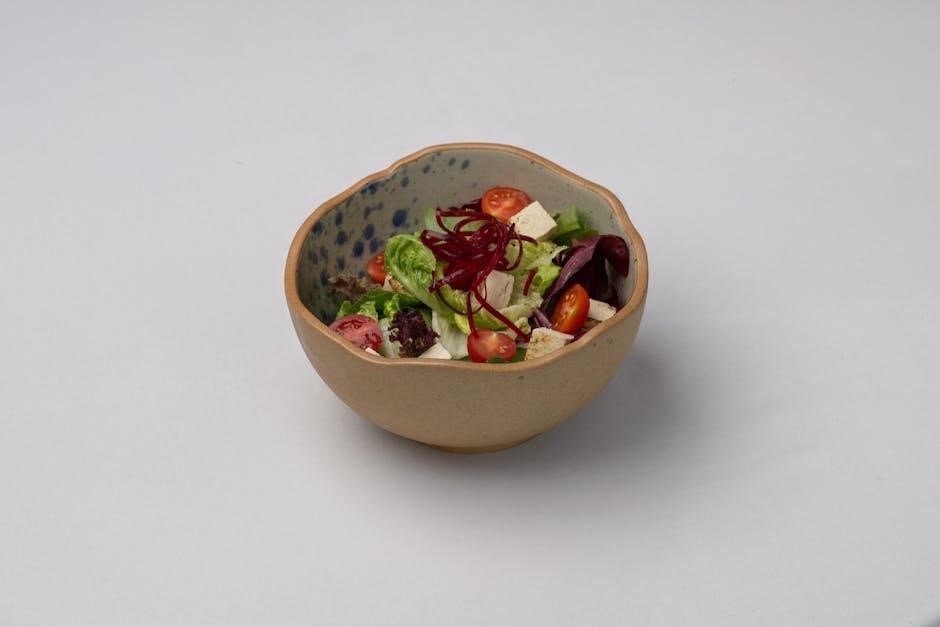
Residue refers to the indigestible portion of food, impacting stool bulk and colon transit time; a low residue diet menu PDF helps manage this․
Fiber vs․ Residue: Key Differences
While often used interchangeably, fiber and residue aren’t the same․ Dietary fiber represents the plant-based parts your body can’t digest, promoting gut health and regularity․ However, not all fiber becomes residue․ Residue specifically refers to the undigested material that adds bulk to stool․
A low residue diet menu PDF focuses on minimizing this stool bulk, regardless of the fiber source․ Some fibers are fermentable, meaning gut bacteria break them down, reducing residue․ Others, like cellulose, pass through largely unchanged, contributing significantly to residue․ Understanding this distinction is crucial when navigating a low-residue diet, as simply reducing fiber intake isn’t always sufficient; focusing on residue-producing foods is key․
How Residue Affects Digestion
Residue’s impact on digestion centers around its effect on stool volume and transit time․ High-residue foods create larger, bulkier stools, stimulating bowel movements․ This is beneficial for most, but problematic when the digestive system is inflamed or recovering from surgery․ A low residue diet menu PDF aims to reduce stool volume, easing the burden on the intestines․

Reduced residue minimizes irritation and allows the bowel to rest and heal․ It also decreases the frequency of bowel movements, which can be crucial for managing conditions like Crohn’s disease or after intestinal procedures․ Essentially, controlling residue helps manage digestive workload and promotes comfort․
Foods High in Residue to Avoid
A low residue diet menu PDF necessitates strict avoidance of foods that significantly contribute to stool bulk․ Whole grains – think brown rice, whole wheat bread, and bran – are prime examples․ Most raw fruits and vegetables, especially those with skins and seeds, are also high in residue․ This includes broccoli, cabbage, and leafy greens․
Legumes like beans and lentils should be eliminated, as they are notoriously fibrous․ Nuts and seeds, popcorn, and even dried fruits are generally unsuitable․ Prioritizing easily digestible options is key; a detailed PDF menu will clearly outline acceptable alternatives to ensure adherence and minimize digestive distress․

Beverages on a Low Residue Diet
Careful beverage selection is crucial; coffee, tea, and clear fruit drinks without pulp are generally permitted, while alcohol is not․
Allowed Beverages: Coffee, Tea & More
When following a low residue diet, staying adequately hydrated is essential, but beverage choices matter significantly․ Fortunately, several options can contribute to your daily fluid intake without exacerbating digestive symptoms․ Coffee and tea, both caffeinated and decaffeinated varieties, are generally well-tolerated․ Cocoa offers a comforting alternative, while carbonated beverages can provide a refreshing fizz․
Importantly, fruit-flavored drinks are permissible, provided they are entirely free of pulp․ Pulp adds insoluble fiber, which increases residue and defeats the purpose of the diet․ Remember to check labels carefully to ensure no pulp is present․ These beverages support hydration while minimizing digestive distress, aiding in the diet’s effectiveness․
Beverages to Avoid: Juices & Alcohol
Certain beverages are strictly prohibited on a low residue diet due to their potential to increase stool bulk and irritate the digestive system․ Any beverages containing solid food particles are off-limits; this includes smoothies and drinks with fruit pieces․ Fruit juices, even strained varieties, often contain residual fiber and sugars that can contribute to residue formation and discomfort․
Alcoholic beverages are also to be avoided entirely․ Alcohol can irritate the gastrointestinal tract and interfere with proper digestion․ Adhering to these restrictions is crucial for minimizing symptoms and allowing the bowel to rest and heal effectively, supporting the overall goals of the diet․

Low Residue Diet Food Groups: Detailed Breakdown
This section meticulously categorizes foods, outlining acceptable choices and those to limit or avoid within each group, ensuring a clear dietary path․
Grains & Starches: Acceptable Choices
When following a low residue diet, selecting appropriate grains and starches is crucial for minimizing digestive distress․ White rice is an excellent staple, easily digested and low in fiber․ Refined pasta, such as macaroni or spaghetti, offers a satisfying carbohydrate source without significant residue․ Cream of wheat, a smooth and easily digestible cereal, is also a good option for breakfast․
White bread, made with refined flour, can be included in moderation, but avoid whole-grain varieties․ Plain crackers, like saltines, are generally well-tolerated․ Additionally, cornflakes (not frosted or with added fruit) provide a simple starch option․ Remember to check ingredient lists to ensure no high-fiber additions are present․ These choices support a gentle digestive process;
Grains & Starches: Foods to Limit or Avoid
Several grains and starches are high in residue and should be limited or completely avoided on a low residue diet․ Whole wheat bread and pasta are significant sources of fiber and can exacerbate digestive issues․ Brown rice, while nutritious, is also too high in fiber for this dietary restriction․ Oatmeal, even though often considered healthy, contains a substantial amount of insoluble fiber․
Avoid all bran cereals, as they are specifically designed to increase fiber intake․ Wild rice, barley, and quinoa should also be excluded due to their higher residue content․ Popcorn is notoriously difficult to digest and should be strictly avoided․ Carefully review ingredient lists to prevent accidental consumption of high-fiber grains and starches․
Fruits: Safe Options for Low Residue
When following a low residue diet, fruit choices are limited but not entirely restricted․ Well-cooked or canned fruits without skin or seeds are generally permissible․ Bananas are a good option, providing potassium and being easily digestible․ Canned peaches and pears, packed in juice (not syrup), are also suitable choices, ensuring they are peeled․
Applesauce, again without skin, is often tolerated well․ Small portions of melon, like honeydew or cantaloupe, can be included, but avoid the rind․ Fruit juices without pulp are acceptable, but moderation is key․ Remember to prioritize cooked or processed fruits over raw options to minimize residue․
Fruits: Fruits to Exclude
Several fruits are high in fiber and residue, making them unsuitable for a low residue diet․ All raw fruits with skin and seeds should be avoided, as these contribute significantly to stool bulk․ This includes apples (unless peeled and cooked into applesauce), berries of any kind (strawberries, blueberries, raspberries), and grapes․
Dried fruits, like raisins, prunes, and figs, are particularly problematic due to their concentrated fiber content․ Citrus fruits – oranges, grapefruits, and lemons – are generally best avoided due to their pulp and acidity․ Pineapple and coconut are also excluded․ Fruit juices with pulp are strictly off-limits, as the pulp adds unwanted residue․
Vegetables: Allowed Low Residue Vegetables
When following a low residue diet, vegetable choices are limited to those easily digested and low in fiber․ Well-cooked vegetables without skin or seeds are generally permitted․ This includes strained vegetable soups, and cooked carrots, green beans (without strings), and spinach․ Potatoes, peeled and boiled, mashed, or baked, are also acceptable․
Beetroot, when peeled and cooked, can be included in moderation․ Pumpkin and squash, without skin or seeds, are also suitable options․ It’s crucial to ensure vegetables are thoroughly cooked to soften the fibers and minimize residue․ Avoid raw vegetables entirely, as they are difficult to digest and contribute to increased stool volume․
Vegetables: High-Residue Vegetables to Avoid
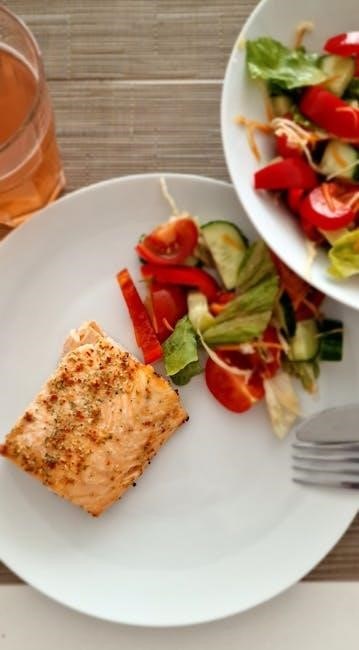
A low residue diet necessitates strict avoidance of high-fiber vegetables, as these significantly increase stool bulk and can exacerbate digestive issues․ This includes all raw vegetables, as well as cooked broccoli, Brussels sprouts, cabbage, cauliflower, corn, peas, and string beans with strings․ Leafy green vegetables, like lettuce and kale, should also be excluded due to their fiber content․
Root vegetables with skins, such as potatoes and carrots, are off-limits․ Additionally, avoid tomatoes, cucumbers, and peppers․ Any vegetable that is difficult to digest or leaves visible pieces in stool should be avoided to maintain a low-residue intake and promote bowel rest․
Proteins: Best Protein Sources
Selecting appropriate protein sources is crucial on a low residue diet․ Lean meats like poultry (chicken and turkey, skinless), fish, and eggs are excellent choices, providing essential nutrients without contributing significant residue․ Smooth nut butters, in moderation, can also be included, ensuring they are well-processed and free of chunks․
Tofu, processed to a smooth consistency, is a suitable plant-based option․ Avoid tough cuts of meat or those with gristle․ Prioritize tender, easily digestible proteins to minimize digestive strain and support healing; Remember portion control is key, even with allowed protein sources․
Proteins: Proteins to Limit
Certain protein sources should be limited or avoided entirely on a low residue diet due to their higher fiber or indigestible components․ Red meats, particularly tougher cuts, can be difficult to digest and contribute to residue․ Processed meats like sausages and hot dogs often contain casings and fillers that increase residue․
Beans, lentils, and other legumes are generally too high in fiber․ Nuts and seeds, unless completely smooth, should be restricted․ Fried proteins are also best avoided as they can exacerbate digestive issues․ Prioritize easily digestible options and carefully consider the preparation method to minimize residue intake․

Dairy: Suitable Dairy Products
When following a low residue diet, certain dairy products are generally well-tolerated and can be included in your meal plan․ Milk, both whole and skim, is usually acceptable, provided you don’t have lactose intolerance․ Yogurt, particularly plain varieties without added fruit or granola, can be a good source of probiotics․
Hard cheeses, like cheddar and mozzarella, are typically low in residue․ Cottage cheese is also often permitted․ However, it’s crucial to monitor your individual tolerance, as dairy can sometimes cause discomfort․ Avoid large quantities and opt for full-fat options if tolerated, as fat aids digestion․
Dairy: Dairy to Avoid
Several dairy products should be limited or avoided entirely on a low residue diet due to their potential to increase stool bulk and digestive distress․ These include any dairy items with added seeds, nuts, or fruit pieces, as these contribute significant residue․ Ice cream, especially varieties with mix-ins, is generally not recommended․
Furthermore, aged cheeses with mold, and those containing herbs or spices, should be avoided․ Sour cream and cream cheese, while seemingly smooth, can sometimes cause issues․ Lactose-free products are an option if lactose intolerance is a concern, but still monitor tolerance․ Prioritize easily digestible options․

Sample Low Residue Diet Menu (7-Day Plan)
This section details a seven-day meal plan adhering to low residue guidelines, offering practical examples for breakfast, lunch, and dinner each day․
Day 1: Sample Menu
Begin your low residue journey with a gentle Day 1 plan․ Breakfast features cream of wheat (1/2 cup) prepared with water, alongside a poached egg․ For lunch, enjoy 4oz of baked or grilled chicken breast with 1/2 cup of white rice and 1/4 cup of cooked carrots․ A small serving of canned peaches in juice (without skin) completes the meal․
Dinner consists of 4oz of ground turkey (lean) mixed with 1/2 cup of white pasta and a tablespoon of butter․ A side of well-cooked green beans (1/4 cup) is permissible․ Snacks throughout the day can include plain crackers or a small banana․ Remember to drink plenty of clear liquids like water or weak tea․ Avoid any foods containing pulp or seeds․
Day 2: Sample Menu
Continue with Day 2, maintaining a focus on easily digestible foods․ Breakfast starts with a serving of refined oatmeal (1/2 cup) made with water, and a side of scrambled eggs․ For lunch, opt for a tuna salad sandwich (made with white bread and mayonnaise, no celery) alongside a small portion of applesauce․
Dinner features baked cod (4oz) with mashed potatoes (1/2 cup, prepared with butter and milk) and a side of cooked asparagus tips (1/4 cup)․ Snacks can include vanilla wafers or a small portion of yogurt (plain, no fruit pieces)․ Hydrate with clear broth or herbal tea․ Remember to strictly avoid alcoholic beverages and fruit juices with pulp․
Day 3: Sample Menu
Day 3 continues the low-residue approach, prioritizing gentle digestion․ Begin with breakfast: cream of wheat (1/2 cup) prepared with water, alongside a poached egg․ For lunch, enjoy a chicken noodle soup (broth-based, with soft noodles and shredded chicken) and a few saltine crackers․
Dinner consists of ground turkey (4oz) with white rice (1/2 cup) and steamed green beans (1/4 cup, well-cooked)․ Snacks could include a small banana or a few rice cakes․ Ensure adequate hydration with water, decaffeinated tea, or clear broth, avoiding any beverages containing pulp or alcohol․
Day 4: Sample Menu
Day 4 maintains the focus on easily digestible foods․ Start with breakfast: a serving of refined oatmeal (1/2 cup) made with water, and a small portion of scrambled eggs․ For lunch, opt for a baked or grilled fish (4oz) with mashed potatoes (1/2 cup, prepared with water, not milk) and a side of cooked carrots (1/4 cup)․
Dinner features lean ground beef (4oz) with white pasta (1/2 cup) and a small serving of well-cooked spinach․ Acceptable snacks include plain yogurt or a few vanilla wafers․ Remember to prioritize clear liquids like water or decaffeinated tea throughout the day, avoiding fruit juices․
Day 5: Sample Menu
Day 5 continues with gentle food choices․ Begin with breakfast: cream of wheat (1/2 cup) prepared with water, alongside a poached egg․ For lunch, enjoy a skinless chicken breast (4oz), served with white rice (1/2 cup) and a side of green beans (1/4 cup, well-cooked)․
Dinner consists of a small portion of ground turkey (4oz) with macaroni and cheese (made with minimal cheese)․ Acceptable snacks include a few saltine crackers or a small banana․ Hydrate with water or decaffeinated beverages, strictly avoiding alcoholic drinks and pulp-filled juices;
Day 6: Sample Menu
Day 6 focuses on maintaining a low-residue intake․ Start with breakfast: refined oatmeal (1/2 cup) cooked in water, paired with a small serving of applesauce (without skin)․ For lunch, opt for a baked or broiled fish fillet (4oz) accompanied by mashed potatoes (1/2 cup, prepared with water, not milk)․
Dinner features a lean ground beef patty (4oz) with white bread toast․ Acceptable snacks include a small portion of canned peaches (in juice, drained) or a few rice cakes․ Remember to prioritize water and decaffeinated tea, avoiding any beverages containing pulp or alcohol․
Day 7: Sample Menu
Concluding the 7-day plan, Day 7 continues the low-residue approach․ Begin with breakfast: Cream of Wheat cereal (1/2 cup) prepared with water, alongside a small serving of strained fruit juice (apple or grape)․ For lunch, enjoy a portion of poached chicken breast (4oz) with white rice (1/2 cup)․
Dinner consists of a baked potato (without skin) topped with a small amount of butter and a side of steamed green beans (well-cooked)․ Acceptable snacks include vanilla wafers or a small banana․ Hydrate with water, decaffeinated tea, or clear broth, strictly avoiding pulp-filled juices and alcoholic drinks․

Tips for Following a Low Residue Diet
Successfully navigating this diet requires diligent label reading, mindful cooking techniques, and consistent hydration to minimize digestive discomfort and maximize benefits․
Reading Food Labels for Residue Content
Becoming a savvy label reader is crucial when adhering to a low residue diet․ While labels don’t explicitly state “residue content,” focusing on fiber grams provides a good indication․ Aim for foods with 2 grams of fiber or less per serving;
Pay close attention to ingredient lists, avoiding items containing seeds, nuts, whole grains, or raw fruits and vegetables․ Be wary of “hidden” fiber sources like inulin or chicory root․
Remember that processed foods can contain unexpected fiber additives․ When in doubt, choose simpler, whole food options with minimal ingredients․ Cross-reference ingredient lists with approved food lists for a low residue diet to ensure compliance and minimize digestive distress;

Cooking Methods for Low Residue Meals
Gentle cooking methods are key to maximizing digestibility on a low residue diet․ Opt for poaching, steaming, grilling, or baking instead of frying․ These techniques preserve nutrients while minimizing irritation to the digestive system․
Ensure vegetables are thoroughly cooked until tender, and fruits are peeled and cooked if tolerated․ Avoid adding seeds, skins, or tough fibrous parts during preparation․
Pureeing or mashing foods can further reduce residue and ease digestion․ Use minimal added fats or seasonings․ Prioritize simple preparations to allow your gut to rest and heal effectively, supporting the diet’s goals․
Hydration on a Low Residue Diet
Maintaining adequate hydration is crucial while following a low residue diet, despite the reduced fiber intake․ Aim for at least eight glasses of water daily to prevent constipation and support overall digestive function․
Clear broths and allowed beverages like weak tea contribute to fluid intake․ Avoid sugary drinks and excessive caffeine, as they can sometimes exacerbate digestive issues․
Monitor urine color – pale yellow indicates good hydration․ Proper fluid balance helps soften stools and minimizes discomfort, complementing the diet’s objective of reducing colonic residue․
Potential Side Effects & How to Manage Them
A low residue diet, while beneficial, can sometimes cause side effects like constipation due to the limited fiber․ Conversely, some individuals may experience diarrhea as the digestive system adjusts․
To manage constipation, ensure adequate fluid intake and discuss a gentle stool softener with your doctor․ For diarrhea, identify and eliminate any trigger foods, and prioritize easily digestible options․
Nutrient deficiencies are possible with long-term restriction; a registered dietitian can help ensure balanced nutrition․ Report any persistent or severe symptoms to your healthcare provider promptly․