the little red hen story pdf

The Little Red Hen Story PDF: A Comprehensive Guide
The Little Red Hen PDF offers a timeless narrative, ideal for young learners and educators, showcasing diligence and accountability through a charming tale.
This digital format provides convenient access to the classic story, frequently found in versions like Oxford Classic Tales, often around 7.2 MB in size.
What is the Little Red Hen Story?
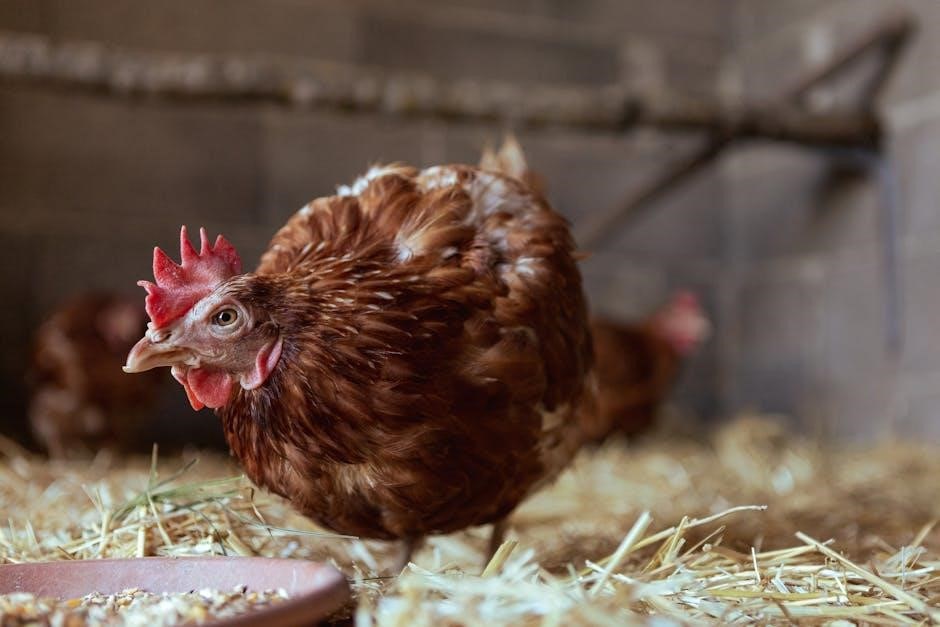
The Little Red Hen story, readily available as a PDF, narrates the journey of a hardworking hen who discovers a single grain of wheat. She diligently seeks assistance from her farmyard companions – a dog, a cat, and a mouse – to help with the laborious tasks of planting, harvesting, and ultimately, baking the wheat into bread.
However, each time she asks for help, the other animals consistently decline, preferring leisure and rest. Undeterred, the Little Red Hen completes all the work herself, from sowing the seed to grinding the flour and finally, baking a beautiful loaf of bread.
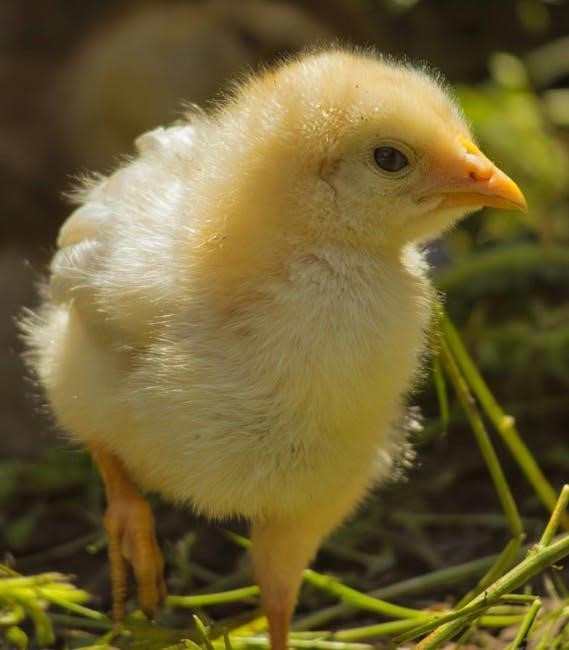
Upon completion, she again asks for help – this time, to eat the bread. The dog, cat, and mouse eagerly volunteer, but the Little Red Hen rightfully refuses, choosing instead to enjoy the fruits of her own labor with her chicks. The story emphasizes the importance of hard work and personal responsibility.
The Core Moral of the Tale
The central message within the Little Red Hen PDF story revolves around the principle of reaping what you sow. It powerfully illustrates that effort and dedication yield rewards, while laziness and unwillingness to contribute result in being excluded from the benefits.
The narrative isn’t simply about completing tasks; it’s a lesson in personal responsibility and the value of hard work. The hen’s refusal to share the bread with those who wouldn’t assist underscores the fairness of earning one’s rewards.
Furthermore, the story subtly touches upon themes of self-reliance and the consequences of relying on others who are unwilling to help. It encourages children to understand that contributing to a collective effort is essential for shared success, and individual initiative is commendable.
Historical Origins and Folklore
The Little Red Hen story, frequently available as a PDF, isn’t a recent invention but deeply rooted in folklore traditions. Its origins trace back to European folktales, with variations appearing across different cultures for centuries. These early versions often featured different animals and scenarios, but the core theme of a hardworking character and unhelpful companions remained consistent.
Anthologies like “The Little Red Hen and Other Folk Tales” demonstrate its inclusion in broader collections of traditional stories. The tale’s enduring popularity suggests it resonated with societal values regarding work ethic and cooperation.
Scholars believe the story served as a didactic tool, teaching children the importance of contributing to the community and the consequences of idleness. The simplicity of the narrative and its relatable characters contributed to its widespread dissemination and lasting appeal.
Finding Little Red Hen PDFs Online
Numerous websites offer The Little Red Hen PDF downloads, including sources featuring the Oxford Classic Tales version, both free and paid options exist.
Popular Sources for PDF Downloads
Finding a Little Red Hen PDF is remarkably easy with several online resources catering to diverse needs. Websites specializing in children’s literature frequently host free downloadable versions, perfect for quick access and classroom use.
However, platforms like Amazon and Barnes & Noble offer higher-quality, professionally formatted PDFs, often including interactive features or accompanying audio. Educational websites dedicated to early literacy also provide curated selections of the story in PDF format.
Specifically, the Oxford Classic Tales version (The Little Red Hen_OCT_L1.pdf) is widely available, known for its clear language and engaging illustrations. Internet Archive and similar digital libraries are also valuable sources, offering a range of editions and adaptations. Always verify the source’s legitimacy to ensure a safe download.
Oxford Classic Tales Version (PDF)
The Little Red Hen, as presented within the Oxford Classic Tales series (Level 1), is a particularly popular PDF choice for early readers. This version, often identified as “The Little Red Hen_OCT_L1.pdf”, is approximately 7;2 MB in size and focuses on simplified language and repetitive phrasing, aiding comprehension.
It faithfully retells the traditional story of the hardworking hen and her unhelpful companions, emphasizing the importance of contribution and responsibility. The PDF format allows for easy printing and sharing, making it ideal for educators and parents.
Illustrations are typically bright and engaging, further capturing the attention of young children. This adaptation is designed to build confidence in emergent readers, encouraging participation and fostering a love for storytelling. It’s a readily accessible and trusted resource.
Free vs. Paid PDF Options
Numerous sources offer The Little Red Hen story in PDF format, presenting both free and paid options. Free PDFs are often available through online libraries or educational websites, though quality can vary regarding illustrations and formatting.
Paid versions, like those from established publishers such as Oxford Classic Tales, generally provide higher resolution images, professionally edited text, and may include supplementary materials like activity sheets or lesson plans. These premium PDFs often ensure copyright compliance and a polished reading experience.
While free options are accessible, investing in a paid PDF can offer enhanced educational value and support authors and publishers. Consider your needs – a quick read-aloud versus a structured learning tool – when choosing between free and paid resources.
Analyzing the Story’s Elements
The Little Red Hen’s narrative centers around key characters – the diligent hen, a lazy dog, cat, and mouse – and the transformative wheat grain.
Characters: The Little Red Hen, Dog, Cat, and Mouse
The central figure, the Little Red Hen, embodies industriousness and self-reliance, consistently taking initiative while her companions demonstrate a stark contrast. She is the driving force of the narrative, tirelessly working from planting the wheat to baking the bread.
Conversely, the dog, cat, and mouse represent idleness and a lack of responsibility. They repeatedly decline the hen’s requests for assistance throughout the entire process – planting, harvesting, threshing, and milling – preferring leisure over labor.
Their refusal highlights a crucial theme of the story: the importance of contributing and sharing in work. Ultimately, when the bread is ready, they are also denied a portion, reinforcing the principle that those who do not work do not eat. These character dynamics are consistently present in Little Red Hen PDF versions.
The Role of the Wheat Grain
The single grain of wheat serves as the catalyst for the entire story, representing potential and the beginning of a significant undertaking. It’s not merely a seed, but a symbol of work, effort, and eventual reward. The Little Red Hen’s discovery of this grain initiates a series of events that demonstrate the value of perseverance.
Within the Little Red Hen PDF narratives, the grain prompts her to seek assistance, immediately revealing the contrasting attitudes of her farmyard friends. Their unwillingness to participate in even the initial step – planting – establishes the core conflict of the tale.
The journey of the wheat, from a single grain to a loaf of bread, visually and narratively emphasizes the extensive labor involved in food production, a key lesson embedded within the story’s simplicity.
The Process of Breadmaking in the Story
The Little Red Hen PDF meticulously details each stage of breadmaking, transforming a simple grain into a nourishing loaf. She undertakes planting, harvesting, threshing, and grinding – laborious tasks she performs alone due to her companions’ refusal to help. This sequential depiction is central to the story’s moral.
The narrative emphasizes the effort required at each step, from tending the wheat field to finally baking the bread. This detailed process isn’t just about making food; it’s a demonstration of dedication and self-reliance. The story highlights the transformation of raw ingredients through diligent work.
Ultimately, the freshly baked bread represents the reward for hard work, a tangible outcome of the Hen’s perseverance, and a clear contrast to the idleness of the dog, cat, and mouse.
Educational Uses of the Little Red Hen PDF
The Little Red Hen PDF fosters discussions on responsibility, work ethic, and the value of contribution, making it a valuable teaching resource.
Early literacy skills are enhanced through repetitive language, while vocabulary expands with terms related to farming and baking.
Teaching Responsibility and Work Ethic
The Little Red Hen PDF serves as a powerful tool for instilling a sense of responsibility in young children. The story vividly illustrates the consequences of inaction and the rewards of hard work, prompting valuable discussions about fairness and contribution.
Educators can utilize the narrative to explore the concept of shared effort and the importance of each individual’s role within a community. The hen’s persistent questioning – “Who will help me?” – encourages children to consider their own willingness to participate and assist others.
Furthermore, the story highlights the satisfaction derived from completing tasks independently and the pride in a job well done. By contrasting the hen’s diligence with the laziness of the other animals, teachers can effectively demonstrate the benefits of a strong work ethic and the importance of taking initiative. The PDF format allows for easy annotation and focused discussion points.
Early Literacy Development
The Little Red Hen PDF is exceptionally beneficial for fostering early literacy skills in young children. Its repetitive language patterns and predictable storyline create a comfortable and engaging reading experience, aiding in comprehension and recall.
The simple sentence structure and common vocabulary make it an ideal text for emergent readers, building confidence and encouraging independent reading. Teachers and parents can utilize the PDF to point out sight words and practice phonics skills, reinforcing foundational literacy concepts.
Anthologies featuring the story, like those with predictable language, further enhance this benefit. The visual nature of many PDF versions, often including illustrations, supports visual literacy and helps children connect words with meaning. Interactive PDFs can even include read-aloud features, promoting auditory learning and pronunciation.
Vocabulary Building with the Story
The Little Red Hen PDF presents a fantastic opportunity for vocabulary expansion, particularly for young learners. The story introduces practical, everyday words related to farming, food preparation, and work ethic – such as “wheat,” “plant,” “harvest,” and “bake.”
Educators and parents can leverage the PDF to pre-teach key vocabulary before reading, enhancing comprehension. Post-reading discussions can focus on defining these words in context and encouraging children to use them in their own sentences.
The story’s repetitive nature reinforces these new terms, aiding retention. Different versions and adaptations within the PDF format may introduce slightly varied vocabulary, broadening exposure. Interactive PDFs often include vocabulary quizzes or matching games, making learning engaging and fun.
Different Versions and Adaptations
The Little Red Hen PDF appears in numerous adaptations, from classic tales to modern retellings, and is often included within broader folk tale anthologies.
Variations in Character Roles
The Little Red Hen PDF showcases intriguing shifts in character dynamics across different versions. While the core trio of the dog, cat, and mouse (or sometimes a bird) consistently appear, their levels of laziness or willingness to assist can vary significantly.
Some adaptations portray the animals as entirely unhelpful, reinforcing the hen’s self-reliance. Others introduce nuances, suggesting a fleeting offer of help quickly withdrawn. Occasionally, a character might attempt to claim a share of the bread despite contributing nothing, highlighting themes of fairness and entitlement.
Furthermore, the specific animals involved can change; a pig or cow might replace the typical characters. These alterations don’t fundamentally alter the story’s message but offer fresh perspectives on the importance of hard work and personal responsibility, enriching the Little Red Hen PDF experience.
Modern Retellings of the Classic Tale
The enduring appeal of The Little Red Hen PDF has inspired numerous contemporary adaptations. These retellings often update the setting and characters to resonate with modern children, while preserving the core moral of hard work and responsibility.
Many versions emphasize collaboration and the benefits of teamwork, subtly shifting the focus from complete self-reliance. Some explore scenarios where the hen does find help, demonstrating the positive outcomes of shared effort. Illustrations are frequently modernized, employing vibrant colors and diverse character representations.
Digital Little Red Hen PDF versions may incorporate interactive elements, like games or quizzes, to enhance engagement. These modernizations ensure the story remains relevant and captivating for new generations, continuing its legacy in children’s literature.
Anthologies Featuring the Little Red Hen
The Little Red Hen PDF frequently appears within broader collections of folk tales and fables, offering readers a diverse range of classic stories alongside this beloved narrative. Anthologies like “The Little Red Hen and Other Folk Tales” curate selections from various cultures – England, Russia, America, and the Far East – providing a rich literary experience.
These compilations often prioritize emergent readers, utilizing predictable language patterns and repetitive phrasing to encourage participation and build confidence. The inclusion of The Little Red Hen within such anthologies highlights its status as a foundational story for early literacy development.
Digital PDF versions of these collections offer convenient access to multiple tales, making them valuable resources for classrooms and home libraries, fostering a love for storytelling.
Technical Aspects of Little Red Hen PDFs
Little Red Hen PDF files typically range around 7.2 MB, ensuring easy download and storage, with broad compatibility across various devices and platforms.
File Size and Format (PDF, 7.2 MB)
The Little Red Hen story in PDF format generally maintains a manageable file size, commonly around 7.2 MB, facilitating swift downloads and convenient storage on a variety of digital devices. This size ensures accessibility without consuming excessive storage space.
PDF (Portable Document Format) is the predominant format for distributing this classic tale digitally, preserving the original formatting – including text and images – across different operating systems. This consistency is crucial for maintaining the integrity of the story’s presentation, whether viewed on computers, tablets, or smartphones.
The PDF format also supports features like zoom functionality, allowing readers to adjust the text size for optimal readability. Furthermore, many PDF readers offer accessibility options, enhancing the experience for users with visual impairments. The prevalence of PDF readers makes this format universally accessible, ensuring a wide audience can enjoy the valuable lessons within The Little Red Hen.
Compatibility with Different Devices
The Little Red Hen PDF demonstrates excellent compatibility across a broad spectrum of devices, ensuring widespread accessibility to this beloved children’s story. PDF readers are readily available for Windows, macOS, Android, and iOS operating systems, guaranteeing a consistent reading experience regardless of the user’s preferred platform.
Smartphones and tablets, with their portability, are ideal for enjoying the story on-the-go. Larger screens, such as those found on laptops and desktop computers, provide a more immersive reading experience. The PDF format adapts seamlessly to varying screen sizes and resolutions, maintaining visual clarity.
Furthermore, many modern web browsers include built-in PDF viewers, eliminating the need for separate software installation. This universal support makes The Little Red Hen PDF a convenient and accessible resource for parents, educators, and children alike, fostering a love for reading on any device.
Accessibility Features in PDF Versions
Modern Little Red Hen PDF versions increasingly incorporate accessibility features to cater to diverse learning needs. Text-to-speech functionality allows the story to be read aloud, benefiting visually impaired children or those developing reading skills. Adjustable font sizes and styles enhance readability for individuals with visual impairments or dyslexia.
Tagged PDFs, structured with semantic information, enable screen readers to navigate the document effectively, providing a more intuitive experience for users with disabilities. Alternative text descriptions for images ensure that visually impaired users can understand the illustrations accompanying the story.
Furthermore, some PDFs offer keyboard navigation, allowing users to interact with the document without a mouse. These features promote inclusivity, ensuring that all children can enjoy and benefit from the valuable lessons embedded within The Little Red Hen story.

The Story’s Impact on Children’s Literature
The Little Red Hen, often accessed as a PDF, profoundly influences children’s literature, championing themes of self-reliance and the importance of contributing to shared tasks.
Themes of Cooperation and Self-Reliance
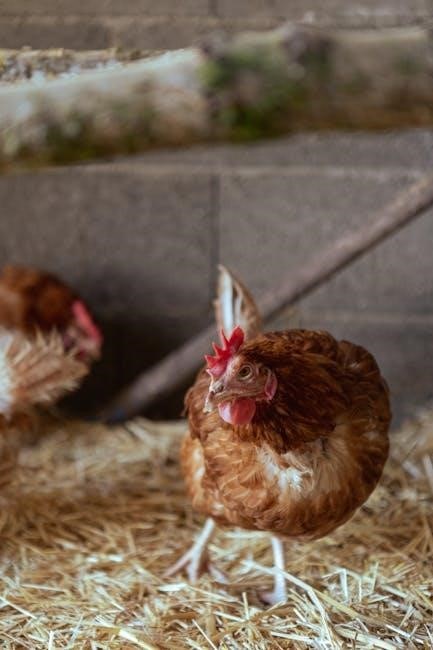
The Little Red Hen PDF powerfully illustrates the vital themes of cooperation and self-reliance, resonating with young readers for generations. The story starkly contrasts the hen’s industriousness with the laziness of her barnyard companions – the dog, cat, and mouse – who consistently refuse to assist with the labor-intensive process of creating bread.
This refusal isn’t merely about physical work; it highlights a lack of shared responsibility and a disregard for the benefits of collective effort. Consequently, the hen rightfully enjoys the fruits of her labor alone, teaching a valuable lesson about the rewards of hard work and initiative.
The narrative subtly encourages children to consider the importance of contributing to a group and the consequences of relying solely on others. It’s a compelling demonstration that self-reliance, while admirable, doesn’t negate the value of willing participation and mutual support when offered.
The Little Red Hen as a Cultural Icon
The Little Red Hen, readily available as a PDF, has transcended its origins as a simple folktale to become a deeply ingrained cultural icon, representing diligence and the value of hard work. The story’s enduring popularity stems from its universally relatable message, resonating across diverse cultures and generations.
Its simplicity allows for easy adaptation and retelling, solidifying its place in children’s literature and educational settings. The image of the determined hen is frequently used to symbolize personal responsibility and the importance of contributing to society.
Furthermore, the story serves as a cautionary tale against entitlement and laziness, prompting discussions about fairness and the ethics of labor. The Little Red Hen’s legacy continues to thrive, ensuring its relevance for years to come.
Influence on Other Children’s Stories
The Little Red Hen, often accessed as a convenient PDF, has profoundly influenced subsequent children’s literature, establishing a template for narratives emphasizing the rewards of effort and the consequences of inaction. Many stories echo its core theme of self-reliance and the importance of contributing to collective tasks.
Writers frequently employ the “unhelpful friends” trope, mirroring the dog, cat, and mouse’s refusal to assist the hen. This pattern appears in tales promoting work ethic and responsibility. The story’s structure – a clear problem, repeated requests for help, and a just outcome – provides a foundational model for moral storytelling.
Its impact extends to stories that explore themes of fairness, cooperation, and the value of individual initiative, solidifying its place as a cornerstone of children’s literary tradition.
Interactive Elements in Digital Versions
Little Red Hen PDF versions often include read-aloud features, animated adaptations, and engaging quizzes, enhancing comprehension and making learning enjoyable for children.
Read-Aloud Features
Little Red Hen PDFs frequently incorporate read-aloud functionalities, significantly benefiting early learners and those developing literacy skills. These features often utilize clear, expressive narration, bringing the story to life and aiding comprehension.
Digital versions may offer adjustable reading speeds, allowing children to follow along at their own pace. Some platforms highlight words as they are spoken, reinforcing the connection between written and spoken language. This is particularly helpful for emergent readers encountering new vocabulary.
Furthermore, interactive read-alouds might include sound effects and character voices, enhancing engagement and creating a more immersive experience. These features transform the PDF from a static text into a dynamic learning tool, fostering a love of reading and promoting language development.
Animated Adaptations of the PDF Story
Many Little Red Hen PDFs are accompanied by, or link to, animated adaptations, offering a visually engaging alternative to static illustrations. These animations often retain the core moral of the story – the importance of hard work and responsibility – while appealing to a younger audience.
These digital versions frequently feature bright colors, expressive character designs, and simple animations that capture the essence of the tale. Some adaptations include interactive elements, allowing children to participate in the story’s progression.
Animated PDFs can be particularly beneficial for visual learners, helping them to understand the narrative and remember key details. They provide a dynamic and entertaining way to experience the classic story, fostering a positive association with reading and learning.
Quizzes and Activities Based on the Story
Numerous Little Red Hen PDF resources incorporate quizzes and activities designed to reinforce comprehension and promote critical thinking skills. These supplementary materials transform the story into an interactive learning experience, catering to diverse learning styles.
Common activities include multiple-choice questions testing recall of plot points and character roles, fill-in-the-blank exercises focusing on vocabulary, and sequencing tasks to understand the story’s progression. Some PDFs offer coloring pages featuring scenes from the tale, encouraging creativity.
More advanced activities might involve writing prompts asking children to reflect on the story’s moral or to imagine alternative outcomes. These quizzes and activities enhance engagement and solidify understanding of the Little Red Hen’s valuable lesson.