travel guide philippines
Philippines Travel Guide: An Overview
Discover the Philippines, an archipelago of over 7,000 islands! Plan your visit between December and May for optimal weather, experiencing its diverse culture and natural beauty.
Welcome to the Philippines, a breathtaking archipelago comprised of over 7,000 islands! This Southeast Asian nation offers an incredibly diverse landscape, ranging from pristine white-sand beaches and lush rainforests to majestic mountains and vibrant coral reefs. The Philippines boasts a rich cultural heritage, a fascinating blend of indigenous traditions, Spanish colonial influences, and American influences.
Prepare to be captivated by the warmth and hospitality of the Filipino people, known for their genuine smiles and welcoming nature. The archipelago’s strategic location has historically made it a crossroads of cultures, resulting in a unique and captivating identity. From bustling cities like Manila to tranquil island paradises like Palawan and Boracay, the Philippines caters to every type of traveler. Embark on an unforgettable journey through this tropical haven, where adventure and relaxation await at every turn!
Geography and Climate
The Philippines’ geography is defined by its volcanic origins and archipelagic nature. Situated in the western Pacific Ocean, it’s part of the Pacific Ring of Fire, resulting in a landscape of mountains, volcanoes, and fertile plains. The islands are generally divided into three main geographical regions: Luzon, Visayas, and Mindanao.
The climate is tropical maritime, characterized by warm temperatures and high humidity year-round. There are generally three seasons: a dry season (November to May), a wet season (June to October), and a cool dry season (December to February). April and May are typically the hottest months. August falls within the rainy season. Regional variations exist, with some areas experiencing more rainfall than others. Understanding these patterns is crucial for planning your trip and enjoying the best possible weather during your visit.
Planning Your Trip
Embark on a Philippine adventure! Consider visiting between December and May for sunshine, and remember to check visa requirements before your departure date.
Best Time to Visit the Philippines
Determining the ideal time to visit the Philippines hinges on your preferences and desired activities. Generally, the dry season, spanning from December to May, presents the most favorable conditions for exploration and relaxation. February and March stand out as particularly comfortable months, boasting pleasant temperatures and minimal rainfall.
However, April and May, while warmer, offer exceptional sea conditions, perfect for diving and snorkeling adventures. For those seeking tranquility, August marks the low tourist season, coinciding with the rainy season, though regional variations in rainfall exist.
March is an excellent choice, falling within the Philippine summer and dry season, guaranteeing a delightful vacation. Early mornings often reveal calm waters, ideal for various water sports. Remember that April, as the dry season nears its end, still provides opportunities for beach visits, hiking, and city explorations.
Visa and Entry Requirements
Navigating Philippine entry requirements depends heavily on your nationality and the length of your intended stay. Many nationalities, including those from the United States, Canada, and most European countries, can enter the Philippines visa-free for a period of up to 30 days for tourism purposes.
However, it’s crucial to verify the specific requirements applicable to your country of origin well in advance of your travel dates, as regulations can change. A valid passport with at least six months of remaining validity is universally required.
For stays exceeding 30 days, or for purposes other than tourism, obtaining a visa prior to arrival is generally necessary. The Philippine Embassy or Consulate in your country will provide detailed information on visa application procedures and required documentation. Ensure you have proof of onward travel, sufficient funds, and accommodation details readily available upon arrival.
Currency and Budgeting
The official currency of the Philippines is the Philippine Peso (PHP). Credit cards are accepted in larger establishments, particularly in Manila and popular tourist destinations like Boracay and Palawan, but cash remains king throughout much of the country, especially in smaller towns and for local markets.
Budgeting for a trip to the Philippines can vary significantly depending on your travel style. Backpackers can comfortably manage on $30-$50 per day, while mid-range travelers should budget around $70-$150. Luxury travelers can expect to spend considerably more.
Accommodation, transportation, and activities are the primary expenses. Island hopping tours, diving excursions, and internal flights can add up. ATMs are widely available in cities, but it’s advisable to carry sufficient cash when venturing to more remote areas. Exchange rates fluctuate, so check before you travel!
Popular Destinations
Explore Manila, Boracay’s White Beach, Panglao Island’s diving spots, Palawan’s stunning landscapes, and Cebu’s historical sites – each offering unique Filipino experiences and adventures.
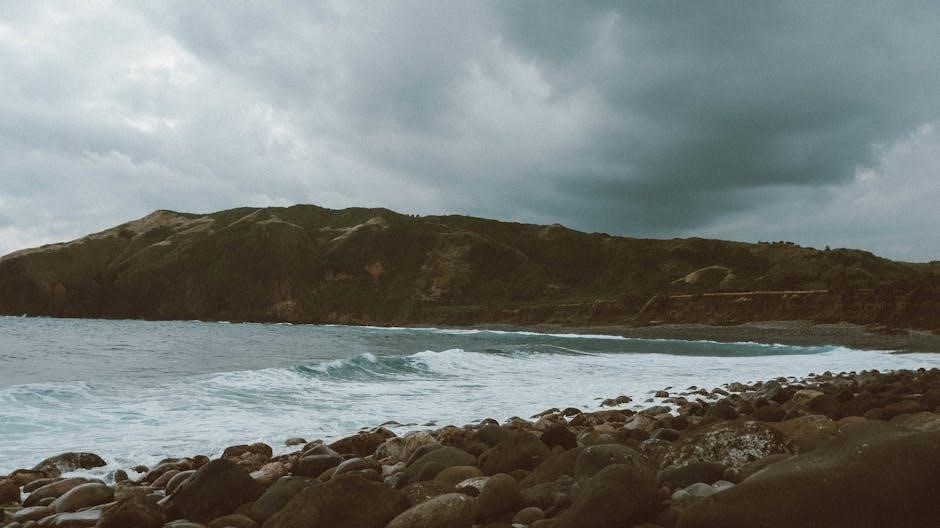
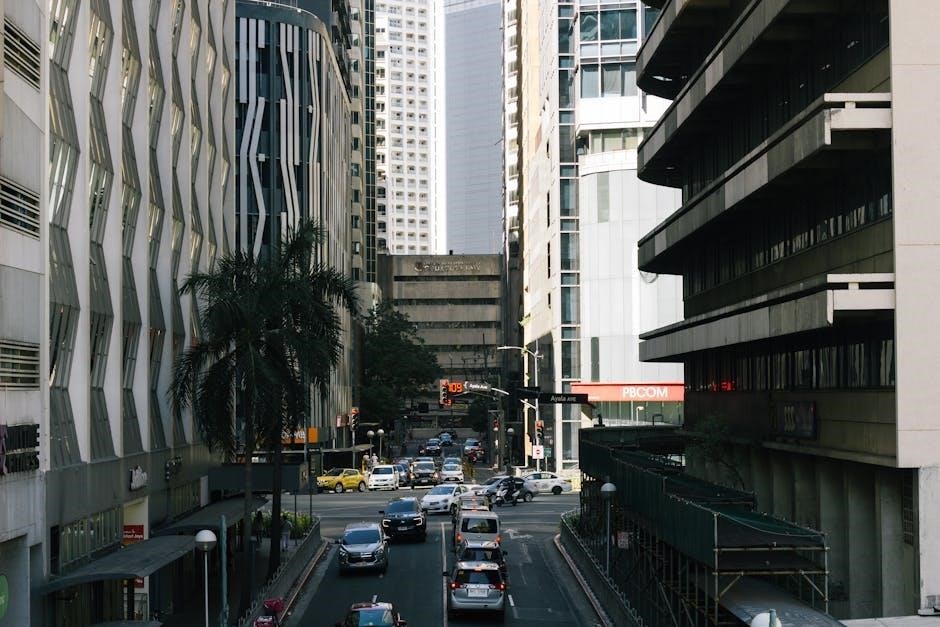
Manila: The Capital City
Manila, a vibrant metropolis, serves as the Philippines’ bustling heart. Immerse yourself in its rich history by exploring Intramuros, the walled city, a UNESCO World Heritage site showcasing Spanish colonial architecture. Wander through Fort Santiago, a significant historical fortress.
Experience the modern side of Manila in Makati, the financial district, with its upscale shopping malls and dining options. Binondo, the world’s oldest Chinatown, offers a culinary adventure with authentic Chinese cuisine.
Don’t miss the National Museum Complex, comprising art, anthropology, and natural history museums. Manila Bay provides stunning sunset views. Be prepared for a dynamic and energetic city experience, blending old-world charm with contemporary life. Transportation options include taxis, jeepneys, and the efficient Metro Rail Transit (MRT) system.
Boracay: White Beach Paradise
Boracay Island is renowned for its stunning White Beach, consistently ranked among the world’s best beaches. Its powdery white sand and crystal-clear turquoise waters create an idyllic tropical escape. Enjoy leisurely strolls along the shore, bask in the sun, or indulge in various water sports.
D’Mall is the island’s central hub, offering a wide array of shops, restaurants, and bars. For a more secluded experience, explore Diniwid Beach or Bulabog Beach, popular for windsurfing and kitesurfing.
Experience breathtaking sunsets and vibrant nightlife. Boracay offers a range of accommodation options, from budget-friendly hostels to luxurious resorts. Remember to practice responsible tourism and respect the island’s environment. The best time to visit is during the dry season, from December to May, for optimal weather conditions.
Panglao Island: Beaches and Diving
Panglao Island, connected to Bohol, is a haven for beach lovers and diving enthusiasts. Alona Beach is the island’s most popular destination, boasting a vibrant atmosphere and numerous resorts. Discover tranquil shores perfect for slow travel and relaxation.
Beneath the waves lies a rich marine ecosystem, making Panglao a premier diving spot. Explore colorful coral reefs and encounter diverse marine life, including sea turtles and vibrant fish species. The best time for diving is between December and May, when the sea is calm and visibility is excellent.
Beyond the beaches, explore the Hinagdanan Cave, a natural underground cave with a freshwater pool. Enjoy local cuisine and experience the warm hospitality of the islanders. Early mornings offer calm waters, ideal for peaceful swims.
Palawan: The Last Frontier
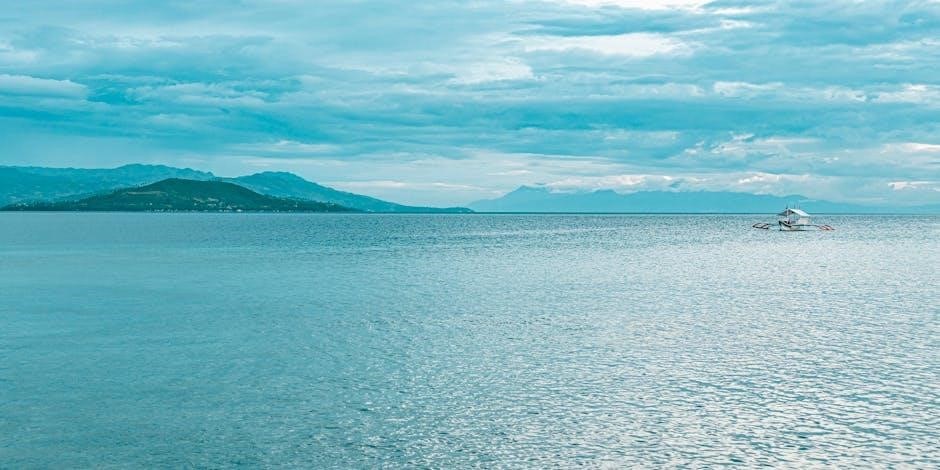
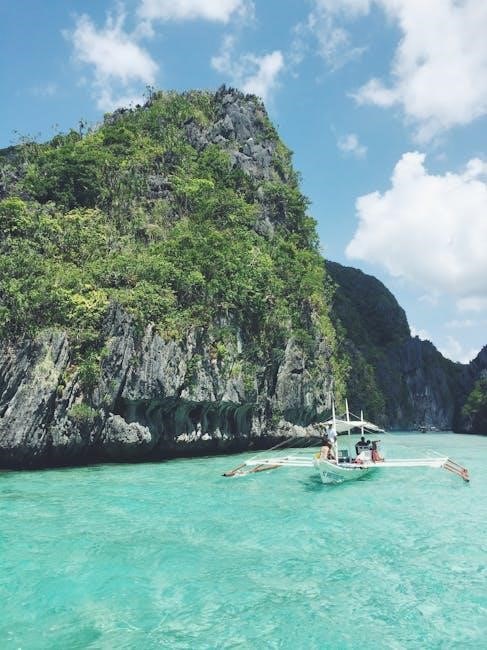
Palawan, often dubbed the “Last Frontier” of the Philippines, is renowned for its pristine natural beauty and biodiversity. This elongated island province offers a captivating blend of towering limestone cliffs, emerald lagoons, and hidden beaches. It’s a destination for those seeking adventure and unspoiled landscapes.
El Nido and Coron are Palawan’s most famous destinations, offering breathtaking island-hopping tours. Explore hidden lagoons, snorkel in crystal-clear waters, and discover secret beaches. The dry season, from November to May, provides ideal conditions for exploration, with sunny skies and calm seas.
Beyond the popular spots, venture into the interior to discover lush rainforests and unique wildlife. Palawan’s commitment to responsible tourism helps preserve its natural wonders for generations to come. Experience a truly unforgettable escape in this tropical paradise.
Cebu: History and Adventure
Cebu, the Queen City of the South, seamlessly blends a rich historical heritage with thrilling adventure opportunities. As the site of the first Spanish settlement in the Philippines, Cebu boasts numerous historical landmarks, including Magellan’s Cross and the Basilica del Santo Niño.
Explore the vibrant capital city, Cebu City, and delve into its colonial past. For adventure seekers, Cebu offers world-class diving in Moalboal, where you can swim with sardine runs and turtles. Kawasan Falls provides a stunning backdrop for canyoneering, a thrilling experience navigating through waterfalls and canyons.
The best time to visit Cebu is during the dry season, from November to May, ensuring pleasant weather for both historical exploration and outdoor adventures. Cebu truly offers something for every traveler.
Activities and Experiences
Enjoy island hopping, beach relaxation, and diving amongst vibrant marine life! Explore historical sites and savor the unique flavors of delicious Philippine cuisine.
Island Hopping and Beach Relaxation
The Philippines truly excels in offering unparalleled island hopping experiences and opportunities for blissful beach relaxation; With over 7,000 islands, the possibilities are endless, ranging from discovering hidden lagoons to lounging on world-renowned white sand beaches. Panglao Island, for instance, is perfect for slow travel, allowing visitors to fully immerse themselves in the tranquil island life.
Boracay’s White Beach consistently ranks among the best beaches globally, providing a vibrant atmosphere alongside pristine shores. Palawan, often called “The Last Frontier,” boasts stunning limestone cliffs and hidden coves ideal for exploration. Whether you seek lively beach parties or secluded serenity, the Philippines caters to every preference. Remember that February and March generally offer the most comfortable conditions for enjoying these coastal paradises, with calm seas and plenty of sunshine.
Don’t miss the chance to explore the diverse marine ecosystems while island hopping, often encountering vibrant coral reefs and fascinating sea creatures.
Diving and Snorkeling
The Philippines is a world-renowned destination for diving and snorkeling enthusiasts, boasting incredible underwater biodiversity. The warm, clear waters surrounding the islands teem with vibrant coral reefs, colorful fish, and fascinating marine life. Panglao Island, in particular, is celebrated for its excellent diving spots, offering opportunities to explore diverse underwater landscapes.
Palawan also provides exceptional diving experiences, with numerous sites suitable for both beginners and experienced divers. Expect to encounter everything from playful sea turtles to majestic whale sharks (seasonally). The best time for diving is generally during the dry season, from November to May, when visibility is at its peak and the sea conditions are calm. Early mornings often present the calmest waters, ideal for a peaceful dive or snorkel.
Numerous dive operators throughout the archipelago offer courses and guided tours, ensuring a safe and unforgettable underwater adventure.
Exploring Historical Sites
The Philippines possesses a rich and complex history, evident in its numerous historical sites. Cebu, often considered the cradle of Christianity in the Philippines, offers landmarks like Magellan’s Cross and the Basilica del Santo Niño, providing glimpses into the nation’s colonial past. Manila, the capital city, showcases a blend of Spanish, American, and Filipino influences.
Intramuros, a walled city within Manila, transports visitors back in time with its cobblestone streets, historic churches, and Spanish-era architecture. Explore Fort Santiago, a significant fortress that played a crucial role in Philippine history. Beyond these iconic locations, numerous provincial towns harbor well-preserved ancestral homes and churches, offering a deeper understanding of local heritage.
Discover the stories behind these sites, learning about the struggles and triumphs that have shaped the Philippines into the nation it is today. These explorations offer a compelling counterpoint to the country’s natural beauty.
Philippine Cuisine: A Culinary Journey
Philippine cuisine is a vibrant tapestry of flavors, influenced by Malay, Spanish, Chinese, and American traditions. Adobo, considered the unofficial national dish, features meat (typically chicken or pork) braised in soy sauce, vinegar, garlic, and peppercorns – a true savory delight! Sinigang, a sour and savory soup, often uses tamarind as a base, showcasing the Filipino love for contrasting tastes.
Lechon, a roasted pig with crispy skin, is a celebratory centerpiece, while Kare-Kare, a rich stew with peanut sauce, offers a unique culinary experience. Don’t miss trying fresh seafood, especially in coastal regions like Palawan and Cebu. Street food is also abundant, offering affordable and delicious options like isaw (grilled intestines) and balut (fertilized duck egg).
Embark on a culinary adventure, exploring regional specialties and savoring the diverse flavors of the Philippines!
Practical Information
Navigate the Philippines with ease using various transport options! Ensure your safety, respect local customs, and choose suitable accommodations for a smooth journey.
Transportation Options
Getting around the Philippines offers diverse choices for every traveler. Domestic flights are incredibly useful for traversing the archipelago’s many islands, with airlines like Philippine Airlines, Cebu Pacific, and AirAsia providing extensive networks. For shorter distances, ferries and boats are essential, connecting islands and offering scenic routes – be prepared for varying levels of comfort and speed.
On land, buses are the most common and affordable way to travel between cities and towns. Jeepneys, uniquely Filipino, provide local transport within urban areas, offering a vibrant cultural experience. Taxis are readily available in major cities, and ride-hailing apps like Grab are increasingly popular and convenient. Tricycles are prevalent in smaller towns and offer short-distance rides. Renting a motorbike can be a great option for exploring islands at your own pace, but always prioritize safety and wear a helmet.
Accommodation Choices
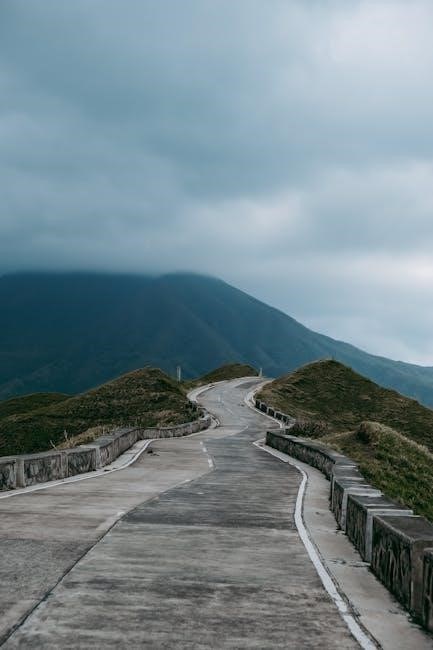
The Philippines caters to all budgets and preferences when it comes to lodging. Luxury resorts, particularly in destinations like Boracay and Palawan, offer world-class amenities and stunning beachfront locations. Mid-range hotels are plentiful in major cities and tourist areas, providing comfortable stays with essential facilities. For budget travelers, numerous guesthouses, hostels, and pensions offer affordable options without sacrificing cleanliness and convenience.
Airbnb is also a popular choice, providing a range of apartments, villas, and unique accommodations. Consider staying in a “nipa hut” for a traditional Filipino experience. Booking in advance is recommended, especially during peak season (December to May). Island hopping often involves simpler accommodations like beach bungalows or eco-lodges, offering a closer connection to nature. Remember to check reviews and compare prices before making a reservation to ensure a pleasant stay.
Safety and Health Precautions
When traveling in the Philippines, prioritize your safety and health. Petty theft can occur in crowded areas, so be mindful of your belongings. Avoid displaying expensive jewelry or electronics. Exercise caution when using ATMs, and be aware of your surroundings, especially at night. The Philippines is prone to typhoons, particularly between July and November; monitor weather forecasts and heed warnings.
Regarding health, consult your doctor about necessary vaccinations and malaria prophylaxis. Drink bottled or purified water to avoid stomach upsets. Food safety is generally good in established restaurants, but exercise caution with street food. Dengue fever is present, so use mosquito repellent, especially during the rainy season. Travel insurance is highly recommended to cover medical emergencies and unforeseen circumstances. Be aware of potential risks associated with water activities and choose reputable operators.
Local Customs and Etiquette
Filipinos are known for their hospitality and warmth. Showing respect is crucial; use “po” and “opo” when addressing elders or those in positions of authority. Family is central to Filipino culture, and strong bonds are highly valued. Removing shoes before entering homes is customary, demonstrating respect for the household.
Public displays of affection are generally conservative. When invited to a Filipino home, bringing a small gift – like fruit or sweets – is appreciated. Avoid loud or boisterous behavior in public places. Direct confrontation is often avoided; Filipinos prefer indirect communication to maintain harmony. Bargaining is acceptable in markets, but do so politely and respectfully. Be mindful of religious sensitivities, particularly in churches and temples. Learning a few basic Tagalog phrases will be greatly appreciated and enhance your interactions.
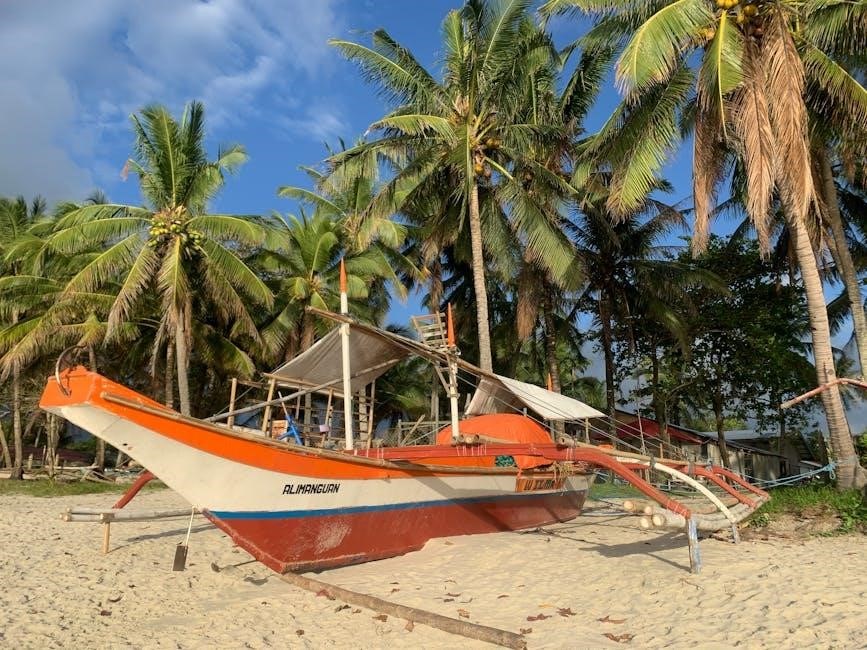
Sustainable Travel in the Philippines
Embrace responsible tourism! Respect local cultures, minimize your environmental impact, and support communities for a truly enriching Philippine experience.
Responsible Tourism Practices
Prioritize eco-friendly accommodations and tours that actively contribute to conservation efforts within the Philippines. Support local businesses and artisans, ensuring your spending directly benefits the communities you visit, fostering economic growth and preserving cultural heritage.
Minimize your plastic consumption by bringing reusable water bottles, shopping bags, and toiletries. Respect marine life by choosing reef-safe sunscreen and avoiding activities that harm coral reefs. Be mindful of your water and energy usage, conserving resources wherever possible.
Engage with local communities respectfully, learning about their traditions and customs. Participate in responsible wildlife tourism, avoiding attractions that exploit animals. Leave no trace behind – pack out all trash and dispose of it properly. Educate yourself and others about sustainable travel practices, promoting a more responsible approach to exploring this beautiful archipelago.