panasonic bread maker instruction manual
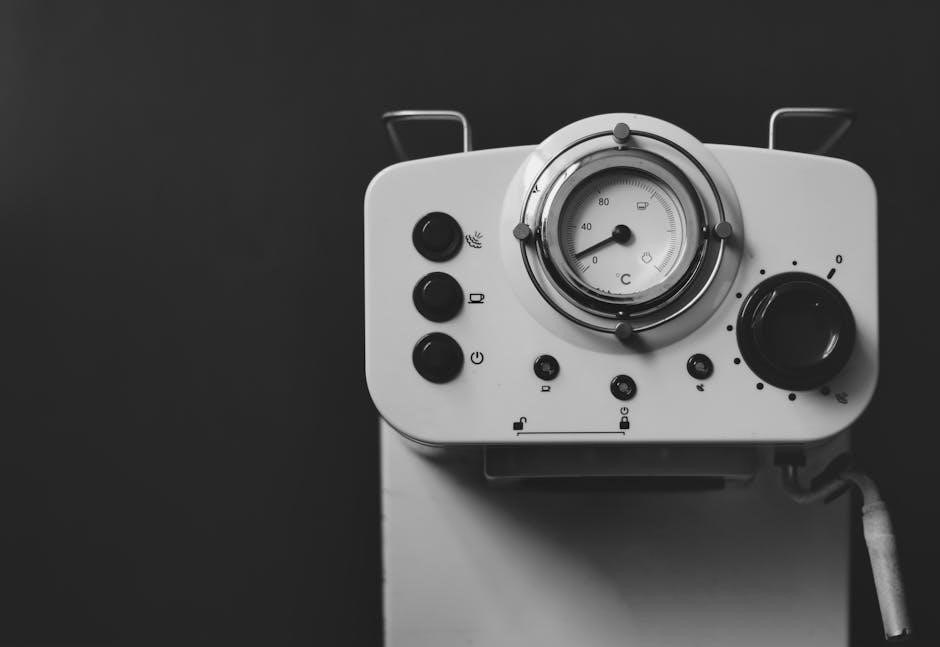
Your Panasonic Bread Maker manual is an essential guide to mastering homemade bread. These comprehensive instructions cover setup, operation, and troubleshooting, ensuring optimal performance. With detailed recipes and customization options, manuals help users unlock the full potential of models like the SD-2501, making baking simple and enjoyable.
Manual’s Purpose and Comprehensive Coverage
The primary purpose of these comprehensive instruction guides is to serve as your ultimate resource for mastering the art of homemade bread with your appliance. Each manual is meticulously designed to provide detailed insights into essential operations, settings, and crucial troubleshooting tips, all aimed at ensuring optimal performance and delightful culinary outcomes. Users are strongly encouraged to read these instructions carefully for correct and safe product usage. Beyond basic startup, the manuals offer extensive coverage, including vital safety precautions and important operational information. They thoroughly explain how to utilize the various components, covering everything from the functions of individual parts to easy-to-follow steps for operating specific models like the SD-R2530 and SD-YR2550. Furthermore, these guides are replete with detailed recipes, precise measurements for ingredients, and customization options, empowering you to explore diverse bread types and unlock the full potential of your kitchen device. They are structured to be simple to operate, even for first-time users, making the baking experience enjoyable and accessible. Many of these valuable PDF user guides are readily available for download or online viewing, offering convenient access to product support and detailed instructions for a wide range of models, including the popular SD-2501, ensuring delicious results every single time.
Identifying Your Specific Model (e.g., SD-2501, SD-R2530)
Accurately identifying your specific Panasonic bread maker model is crucial for accessing the correct instruction manual and maximizing your baking experience. Panasonic offers a diverse range of models, each with tailored features and operational guidelines. To locate your model number, typically check the appliance’s underside, back panel, or original packaging. It is usually printed on a label or embossed directly onto the unit. Common models frequently referenced include the SD-2501, known for its reliability, and the newer SD-R2530 and SD-YR2550, which often feature advanced functionalities. Other prominent models you might encounter are the SD-YD250, SD-YD150, and SD-PM106, alongside variations like the SD-2500 and SDYD205. Once you have pinpointed your model number, such as “SD-2501” or “SD-R2530,” you can easily navigate online resources or Panasonic’s support pages to download the corresponding PDF user guide. These model-specific manuals provide precise instructions for setup, ingredient preparation, program selection, and troubleshooting, ensuring you leverage all features correctly. With 21 user manuals available for 16 different models, finding the exact guide for your SD-2501 or SD-R2530, for example, is straightforward, enabling you to operate your automatic bread maker safely and efficiently. This step ensures you receive tailored advice for your particular device.

Essential Safety Precautions
Always prioritize safety with your Panasonic bread maker. Carefully read the ‘Safety Precautions’ section in your instruction manual before use. Following these guidelines ensures correct and safe product operation, preventing hazards and maintaining optimal appliance performance.
General Safety Guidelines for Operation
Always consult your Panasonic bread maker manual’s ‘Safety Precautions’ section for essential guidelines, crucial for safe and correct operation, typically detailed on pages 3-5. This information is vital for preventing potential hazards. Position the appliance on a stable, dry, level surface, away from heat sources, water, and flammable items. Never immerse the unit, cord, or plug in liquid, ensuring electrical safety;
Always unplug the bread maker when not in use, before cleaning, or during assembly/disassembly. Do not operate with a damaged cord or plug; inspect it regularly for wear. Be aware that exterior surfaces and the baking chamber become extremely hot during and after baking; always use oven mitts for handling hot components like the bread pan or fresh loaf. Keep children and pets away from the operating appliance. Should malfunctions occur, do not attempt self-repair; contact qualified service personnel to prevent further hazards.

Getting Started: Setup and Initial Operation
To begin, ensure you’ve reviewed the manual’s important information for first-time use. The Panasonic bread maker is simple to operate. Correctly place the bread pan and internal components, ensuring they are securely seated. Follow the basic startup steps outlined to prepare for your very first, delicious loaf.
Correct Placement of Bread Pan and Components
Proper placement of the bread pan and its internal components is crucial for optimal performance of your Panasonic bread maker. First, remove the bread pan by twisting it anticlockwise and gently lifting. Ensure the kneading blade is securely inserted onto the drive shaft within the pan, guaranteeing thorough ingredient mixing. After adding ingredients, carefully re-insert the bread pan into the main unit. It must make full contact with the bottom, indicating correct seating on the drive mechanism. Gently rotate it clockwise until it locks firmly into its position, ensuring the heating element and kneading blade operate effectively. Next, fold the bread pan handle down flat against the side, preventing interference with the lid. Finally, securely close the bread maker’s lid. A properly closed lid maintains consistent temperature and humidity, vital for successful rising and baking. These simple steps ensure your machine is prepared for a perfect loaf every time.
First-Time User Guide and Basic Startup
For first-time Panasonic bread maker users, the initial setup is remarkably straightforward, designed to make baking a simple and enjoyable experience. After ensuring the bread pan and kneading blade are correctly installed and the lid is securely closed, the very first step is to plug the appliance into a suitable power outlet. Your bread maker, whether an SD-R2530, SD-YR2550, or another model, is now ready for operation.
Consult your specific model’s manual for detailed guidance on ingredient measurement, as precise quantities are key to successful baking. For your inaugural loaf, it is highly recommended to select a basic bread program, often labeled “Basic” or “White Bread.” This program typically handles the entire process automatically: mixing, kneading, rising, and baking, all with a single press of a button. Once you’ve selected the program, simply press the “Start” button. The machine will then commence its cycle. When baking is complete, the machine will usually signal with a series of beeps, often eight times, and an indicator like a flashing “END” will appear. At this point, carefully unplug the unit and remove your freshly baked loaf, following the manual’s instructions for safe handling. This initial experience will quickly familiarize you with your new kitchen partner, paving the way for many delicious creations.

Ingredient Preparation and Program Selection
Achieving perfect bread starts with careful ingredient preparation. Always follow the specific order for adding components to the bread pan: yeast first, then dry ingredients, followed by liquids. Subsequently, select the appropriate baking program, such as “Basic,” based on your recipe and flour type for optimal results.
Specific Order for Adding Ingredients
To ensure optimal bread quality and consistent results from your Panasonic bread maker, adhering to the specific order for adding ingredients is paramount. This meticulous sequence prevents premature yeast activation and ensures proper mixing and rising throughout the baking cycle. Generally, the process begins by placing the yeast into the bread pan first. For models with an automatic yeast dispenser, this step is handled by the machine at the optimal time, but for manual addition, it’s crucial. Next, carefully add the dry ingredients, such as flour, sugar, and salt. It is imperative to keep the salt separated from the yeast initially, as direct contact can inhibit yeast activity and compromise the bread’s rise. Create small wells or place salt on one side and yeast on the other if adding manually. Finally, pour in the liquid ingredients, including water, milk, or oil, ensuring they are also initially kept away from direct contact with the yeast. This layered approach allows the yeast to remain dormant until the mixing cycle begins, ensuring its full potency is utilized. Following this precise methodology, as outlined in your specific model’s instruction manual (e.g., SD-R2530, SD-YD250), will significantly contribute to a perfectly risen, delicious loaf every time. Neglecting this order can lead to uneven mixing, poor rising, or a dense texture. Always consult your Panasonic manual for model-specific nuances, particularly with specialized bread mixes or unique program settings, to guarantee successful baking outcomes.
Selecting the Appropriate Baking Program
Choosing the correct baking program is fundamental for achieving perfect results with your Panasonic bread maker. Each model, such as the SD-2501 or SD-R2530, comes equipped with a variety of pre-set cycles designed for specific bread types and preparations. The instructional manual serves as your definitive guide, detailing the functions of each program. For instance, the “basic program” is typically used for standard white bread, while other options cater to whole wheat, French, rye, or even gluten-free recipes. Some machines also feature dedicated settings for dough kneading, cake, or jam. When using a bread mix, ensure you select the program recommended for that specific mix, which may involve separate yeast sachets. Digital display controls make program selection straightforward; simply navigate through the options until you find the one that matches your recipe. Additionally, many Panasonic models offer crust color settings (light, medium, dark) to customize the exterior of your loaf. Consulting your manual for model-specific programs, like those found on the SD-YR2550, is crucial to ensure the optimal baking environment for your ingredients. Incorrect program selection can lead to under-baked, over-baked, or poorly textured bread, underscoring the importance of this step for delicious outcomes.
Advanced Features and Model Variations
Panasonic bread makers offer advanced features and model variations. Models like the SD-R2530 and SD-YR2550 boast YeastPro technology, automatic dispensers for yeast, raisins, and nuts. Digital controls enable customization, allowing users to bake diverse breads with ease. These innovations streamline the bread-making process for superior results.
YeastPro Technology and Automatic Dispensers
Panasonic’s advanced bread makers, prominently featuring YeastPro Technology and integrated automatic dispensers, significantly elevate the convenience and precision of home bread baking. YeastPro Technology is a hallmark innovation designed to optimize the yeast activation process, ensuring perfect rising every time. Unlike traditional methods where yeast is added manually at the initial stage, YeastPro accurately dispenses dry yeast at the precisely correct moment during the bread-making cycle. This controlled release prevents premature activation, which can compromise dough development, and ensures the yeast is introduced when conditions are ideal for maximum effectiveness.
Complementing this, Panasonic bread makers often include automatic dispensers for other critical ingredients such as raisins and nuts. These smart compartments automatically add these mix-ins at the optimal point in the kneading process. This prevents ingredients from being crushed or unevenly distributed, ensuring they are perfectly incorporated into the dough without manual intervention. For models like the SD-R2530 and SD-YR2550, these features mean less guesswork and more consistent, delicious results. The combination of YeastPro and automatic dispensers makes the Panasonic bread maker an exceptional kitchen partner, simplifying complex recipes and delivering professional-quality loaves effortlessly. This technology not only guarantees the right texture and rise but also enhances the overall flavor profile by perfectly integrating all components.
Digital Controls and Customization Options
Panasonic bread makers are equipped with intuitive digital controls and clear display panels, making the baking process straightforward and highly customizable. These modern interfaces allow users to effortlessly navigate various settings and programs with just a press of a button. The digital display provides real-time feedback on the selected program, remaining time, and current stage of operation, enhancing user experience and control. Users can select from a wide array of pre-set baking programs tailored for different types of bread, doughs, and even jams. This includes options for basic bread, whole wheat, French bread, gluten-free, and rapid bake cycles, ensuring versatile results for any preference.

Beyond pre-programmed selections, the customization options truly unlock the full potential of your Panasonic bread maker. Users can adjust crust color settings (light, medium, dark) and loaf sizes (e.g., medium, large), allowing for personalized outcomes. Some models also offer manual settings for kneading, rising, and baking times, providing creative freedom for those who wish to experiment with unique recipes or specific ingredient combinations. This level of control ensures that whether you’re a novice or an experienced baker, you can achieve delicious, perfectly tailored bread every time, precisely to your taste. The instruction manual details how to leverage these features.
Troubleshooting and Accessing Manuals Online
When your Panasonic bread maker encounters issues, its instruction manual is your primary resource for effective troubleshooting. Common problems include bread not rising correctly, uneven baking results, or error codes on the digital display. The manual offers specific diagnostic steps and practical solutions for these scenarios. Often, fixes involve ensuring ingredients are added in the correct order, verifying yeast viability, or confirming proper bread pan and component placement. Consulting the troubleshooting section helps users swiftly identify the root cause and apply recommended remedies, ensuring optimal performance and consistently delicious results from models like the SD-2501 or SD-R2530.
Should your physical manual be misplaced, or if you need a guide for an older model, accessing Panasonic bread maker manuals online is exceptionally convenient. Panasonic provides extensive digital support, allowing users to easily download PDF versions of operating instructions, comprehensive user guides, and recipe manuals for a wide range of models. Official Panasonic support websites or specialized online repositories facilitate straightforward access. Simply search by your specific model number (e.g., SD-YR2550 or SD-YD250) to find the relevant document, ensuring essential information is always at your fingertips for smooth operation and maintenance.